



Take an Appointment
Take an Appointment
+91 982 222 9911 contact@chandakdental.in

Chandak Dental Clinic


Since 1999

Specialised dentistry...Personalized care...

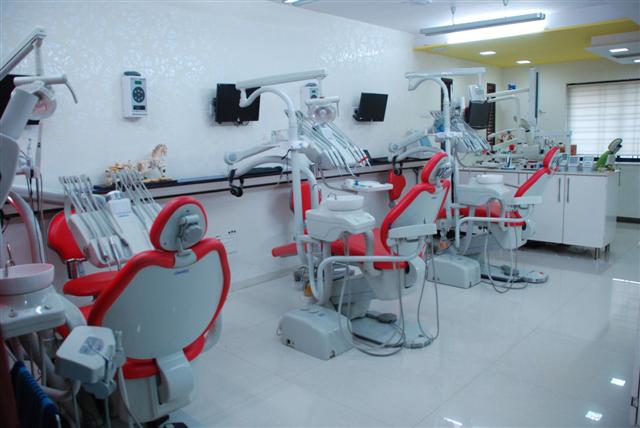
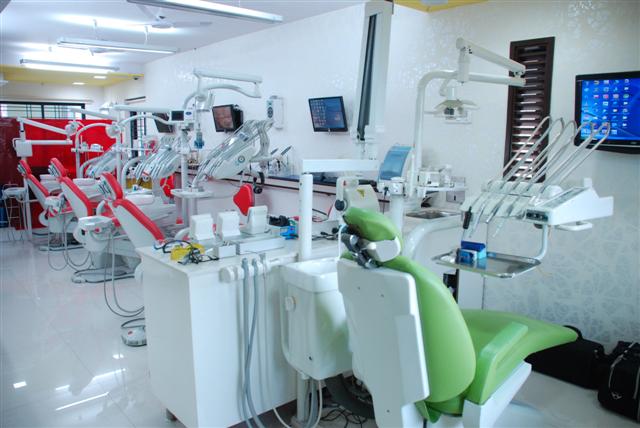
Welcome to Chandak Dental Clinic, Nagpur – a place where compassionate care meets clinical excellence. For over 27 years, our clinic has been a trusted name in Central Avenue, led by Dr. Mukesh Chandak and Dr. Premal Chandak, who are committed to ethical dentistry, precision, and patient comfort continues to shape thousands of confident smiles. From your very first visit, we promise not just treatment but a partnership rooted in honesty, transparency, and a deep understanding of your dental needs. Our practice is equipped with state-of-the-art technology –digital X-rays, lasers, CAD-CAM, CT scan, intraoral scanner, and world-class sterilization systems – all designed to provide advanced, painless, and hygienic treatment in a calm and caring environment.

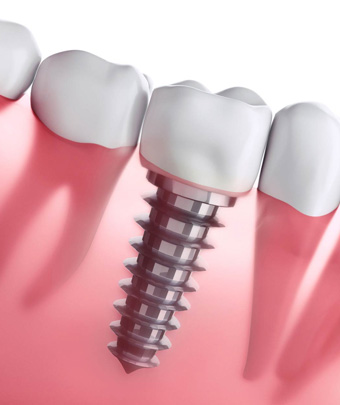
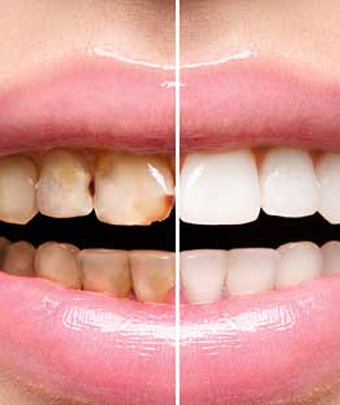
Whether it’s implants, full-mouth rehabilitation, cosmetic dentistry, root canal treatments, or preventive care, every service at Chandak Dental Clinic is delivered with personalized attention and clinical excellence. What truly sets us apart is the time we invest in our patients – listening, educating, and guiding them toward the best decisions for their oral health. At the heart of our clinic is a team that values relationships as much as results. Our aim is simple yet powerful: to give you the smile you desire and the care you truly deserve. Every patient who walks in becomes a part of our extended dental family, and every smile we restore reflects our passion for genuine, high-quality dentistry.

18000+

satisfied patients with their dream smile

50+

comprehensive services

27+

trusted years of experience

Why Choose Us?


  • Strict standards of sterilization are maintained.
  • Advance and Updated Dental Equipment Main Highlights of CDC
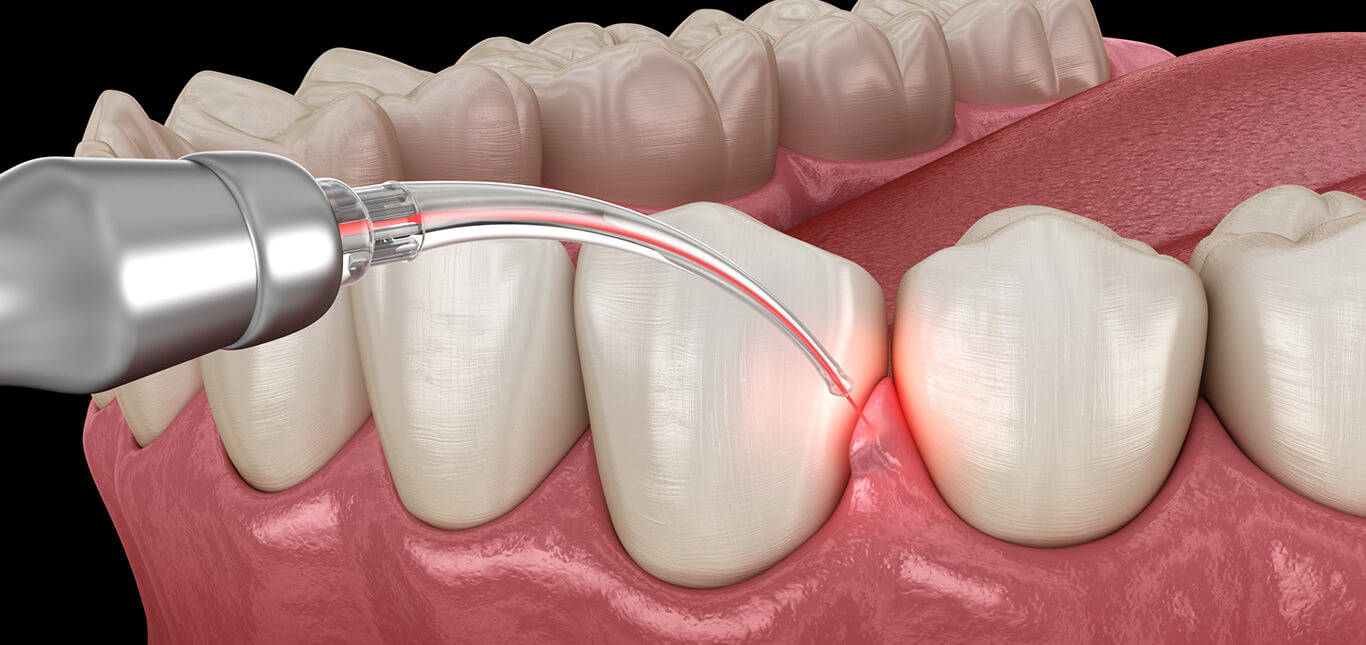
  • Painless, Bloodless, Injectionsless treatment through hard tissue laser
  • Specialised in Child Dentistry
  • All dental procedures under one roof.
  • Friendly environment set in a homely ambience.
  • Extra emphasis on patient education and superior dental aesthetics.
  • Priority appointment possible for people with time constraints.
  • ISO 9001:2008 certified
  • CDC in Virtual Tour

    CENTRALLY LOCATED IN NAGPUR


    FAQ'S

    Frequently Asked Questions

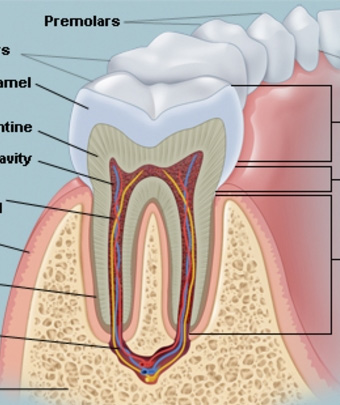
    • What are the parts of the tooth?
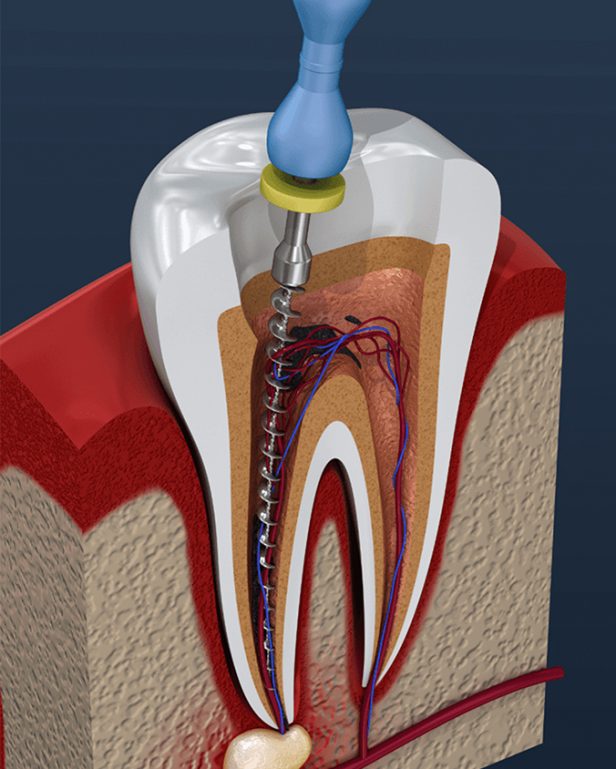
    • A tooth is basically made up of two parts: the crown and the root. The crown is what you see when you smile or open your mouth. It's the part that sits above your gumline. The root is below the gumline. It makes up about 2/3rds of the tooth's total length.Four different tissues make up each tooth. The enamel is the durable, white covering. Enamel protects the tooth from the wear and tear of chewing.Dental Fact: Did you know that the enamel on your teeth is the hardest substance in your body?Dentin supports the enamel on your teeth. It's a yellow bone-like material that's softer than enamel and carries some of the nerve fibres that tell you when something is going wrong inside your tooth.The Pulp is the centre of the tooth. It's a soft tissue that contains blood and lymph vessels, and nerves. The pulp is how the tooth receives nourishment and transmits signals to your brain.Cementum is what covers most of the root of the tooth. It helps to attach the tooth to the bones in your jaw. A cushioning layer called the Periodontal Ligament sits between the cementum and the jawbone. It helps to connect the two.

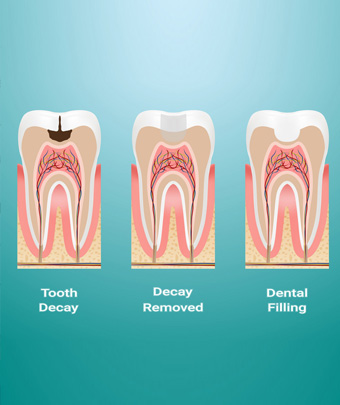
    • What causes cavity?
    • Your mouth is a busy place. Bacteria – tiny colonies of living organisms are constantly on the move on your teeth, gums, lips and tongue.Having bacteria in your mouth is a normal thing. While some of the bacteria can be harmful, most are not and some are even helpful.

      Certain types of bacteria, however, can attach themselves to hard surfaces like the enamel that covers your teeth. If they're not removed, they multiply and grow in number until a colony forms. More bacteria of different types attach to the colony already growing on the tooth enamel. Proteins that are present in your saliva (spit) also mix in and the bacteria colony becomes a whitish film on the tooth. This film is called plaque, and it's what causes cavities.

    • Flouride: How does it work?
    • Fluoride is a natural element that can be found in many things, like the water we drink and the food we eat. Decades ago, scientists began to notice that children who lived in places where fluoride occurred naturally in the water, had fewer dental cavities.Fluoride that is absorbed by your body is used by the cells that build your teeth to make stronger enamel. Topical fluoride – fluoride that is applied to the outside of the enamel – makes the crystals that form enamel more durable. Tooth enamel crystals that have fluoride are much more resistant to acid. They are less likely to breakdown and cause the tooth surface to become porous.

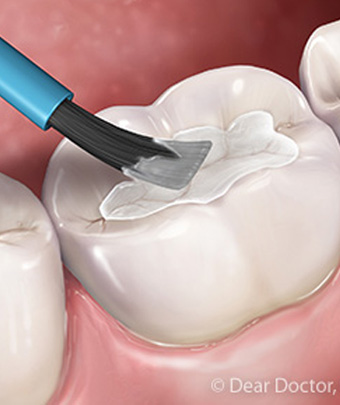
      If your dentist recommends a fluoride treatment during your next dental visit, you'll be receiving topical protection. The fluoride your dentist puts in your mouth will help make the crystals in your tooth enamel stronger. Always use a toothpaste with fluoride.

    • How do braces work?
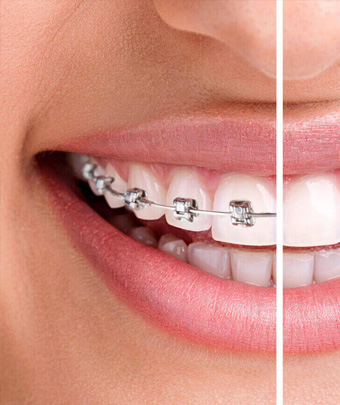
    • Having straight teeth is important. Teeth that are crooked or out of place (misaligned) affect the way a person chews and talks and how their smile looks. Because they have unnatural spaces, crooked teeth are harder to clean and are more likely to have cavities. In some cases, crooked teeth can affect the way the jaws line up and can cause pain and discomfort.One method to correct this is to have Orthodontic treatment (or braces and retainers as they are sometimes called). Orthodontic treatment works by exerting a gentle pressure over time to straighten teeth that are growing, or have already grown, out of place.Braces have three basic parts:1) Brackets – brackets that are attached to each tooth2) Bonding or band – the material that attaches the bracket to the tooth3) Arch Wire – a thin metal wire that runs from bracket to bracket.

      Braces have come a long way from the "train track" look of years ago. Today, many orthodontic patients can get braces that attach to the backs of the teeth, or use transparent brackets.

      A retainer is a custom-made, removable appliance that helps keep teeth in their new, straightened position after braces have been removed. Retainers can also be used to treat more minor orthodontic problems.

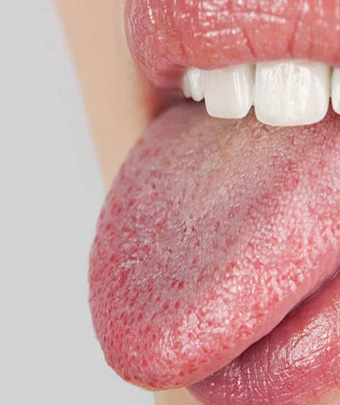
    • I brush my teeth constantly but still have bad breath. What can I do?
    • Gum disease is also known as periodontal (pronounced: per-ee-oh-don-tul) disease.Periodontal disease is an infection of the tissues and bone that support the teeth. Untreated gum disease can become very serious, causing teeth to become loose or fall out.Gum disease is usually caused by a buildup of plaque, an invisible sticky layer of germs that forms naturally on the teeth and gums. Plaque contains bacteria, which produce toxins that irritate and damage the gums.Hundreds of types of bacteria live in the mouth, so keeping plaque at bay is a constant battle. That's why brushing and flossing every day – and regular trips to the dentist – are so important.Prevention TipsFortunately, there's good news: Gum disease is usually preventable. Just take care of your teeth, starting now. Don't wait!

      Brush twice a day for at least 3 minutes each time (about the length of your favorite song), and floss daily. If you're not sure whether you're brushing or flossing properly, your dentist or dental hygienist can show you the best techniques.

      Always brush with a toothpaste that contains fluoride; some dentists also recommend daily mouth rinses containing fluoride.

      Use a toothbrush with soft, polished bristles, as these are less likely to irritate or injure gum tissue. Be sure to replace your toothbrush at least every 3 to 4 months – a worn-out toothbrush can injure your gums. (Some toothbrush brands contain color indicators on the bristles to remind you to replace them when they become worn.)

      Eat a healthy diet. Avoid snacks and junk foods packed with sugar that plaque-causing bacteria love to feed on.
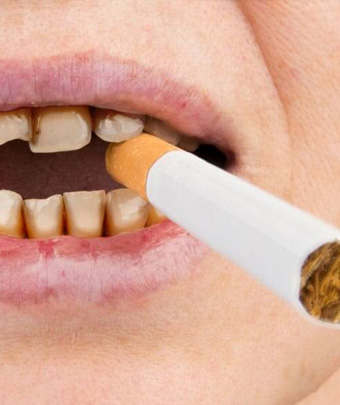
      Don't smoke! Cigarettes and chewing tobacco cause mouth irritation and are very unhealthy for gums and teeth.
      Regular dental care is extremely important in helping to keep your mouth healthy. Visit your Apollo Dental at least twice a year.